Clutch is a common component in mechanical transmission, which can separate or engage the transmission system at any time. The basic requirements are: smooth joint, rapid and complete separation; Convenient adjustment and repair; Small overall size; Low quality; Good wear resistance and sufficient heat dissipation capacity; The operation is convenient and labor-saving. The commonly used are divided into dental inlay type and friction type.
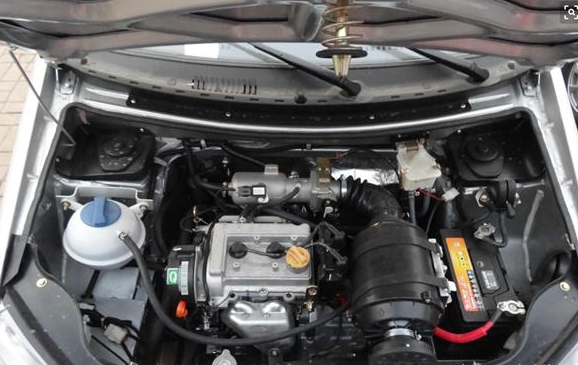
Several functions of clutch
Conducive to the start of the car: the car is stationary before starting, because the engine and gearbox are rigidly connected. Once it is put into gear, the car will suddenly rush forward due to the sudden connection of power, which will not only cause damage to the parts, but also the driving force is not enough to overcome the huge inertial force generated by the car's forward rush, so that the engine speed drops sharply and stalls.
Reduce torsional vibration impact: the output torque of the automobile engine is usually unstable. During the running stroke of the engine, the inertia of the rotation system of the engine itself can reduce the torsional vibration, but the remaining impact force still has an adverse impact on the subsequent gearbox and transmission shaft. The damping spring in the clutch can significantly reduce the torsional vibration impact brought by the engine and prolong the service life of the transmission gear.
Prevent damage due to excessive pressure in the transmission system: when the vehicle is in emergency braking, the wheel suddenly slows down sharply, and the transmission system connected to the engine still maintains the original speed due to the rotating inertia, which often produces a moment of inertia far greater than the engine torque in the transmission system, making the parts of the transmission system easy to be damaged. The clutch is convenient for car shifting: in the driving process of the car, it often involves shifting to meet the needs of different driving environments, and the clutch will be used when shifting. The clutch can temporarily separate the engine from the transmission and then shift.
Correct use of the clutch: when starting, quickly depress the clutch, and then quickly release it to the semi linkage state. At the same time, slightly increase the accelerator to increase the vehicle speed, and then slowly lift the clutch. When entering the full linkage, stop a little; When downshifting, pay attention to reduce the speed until the speed drops to the corresponding gear, quickly step down the clutch, and then use "one fast, two slow and three linkage" to control the clutch.
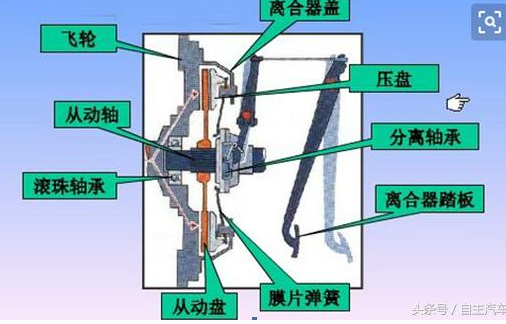
When starting, quickly depress the clutch, and then quickly release it to the semi linkage state. At the same time, slightly increase the accelerator to increase the vehicle speed, and then slowly lift the clutch. When entering the full linkage, it is necessary to pause slightly; When downshifting, pay attention to reduce the speed until the speed drops to the corresponding gear, quickly step down the clutch, and then use "one fast, two slow and three linkage" to control the clutch.
When shifting, increase the accelerator to increase the speed of the car, then quickly step down the clutch and gently lift the clutch. You can slightly refuel the door in the process of gently lifting the clutch. When stopping, step down the clutch when the speed of the car needs to be below 15km / h, and then use the brake to stop the car. After stopping completely, slowly release the clutch.